
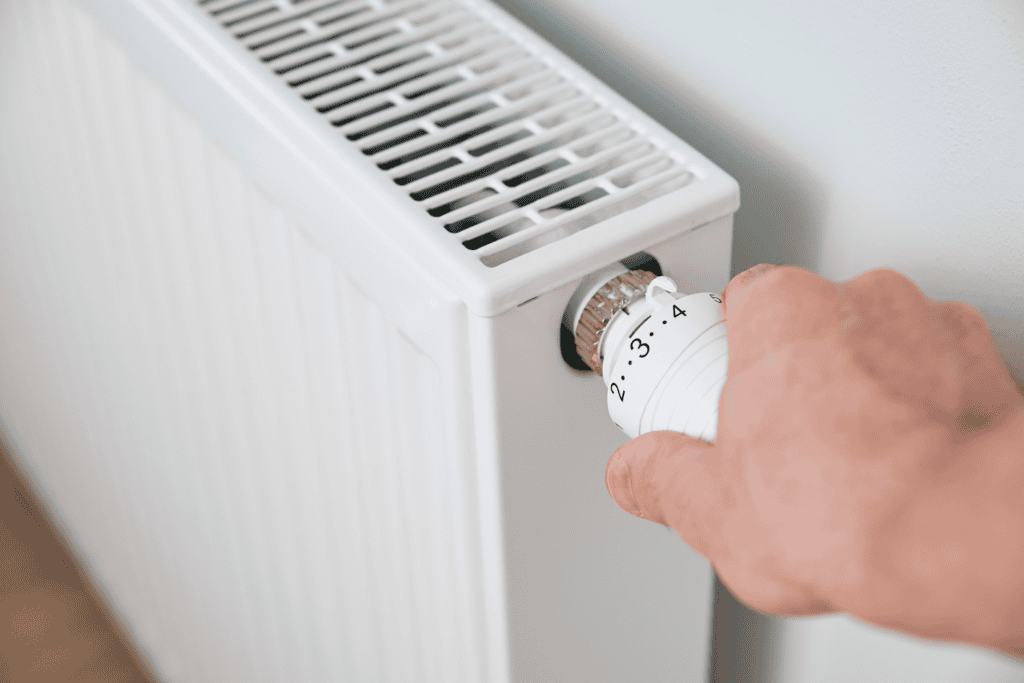
Most homeowners operating a residential gas furnace can expect reliable performance for 15 to 20 years before major components show severe mechanical wear.¹ Still, homeowners from Winnetka to Northbrook regularly ask how long does a furnace last once severe winter weather sets in. Sub-zero temperatures across Greater Chicagoland force heating equipment to run continuously for months at a time. This heavy operational workload accelerates mechanical stress on heat exchangers, blower motors, and ignition controls.
As heating systems enter their later years of operation, mechanical efficiency gradually declines. Older baseline systems allow a noticeable portion of consumed fuel to escape through exhaust venting rather than warming the home, while modern condensing units convert fuel more directly into useful heat.
Knowing what to expect from aging equipment allows you to plan ahead and avoid sudden mid-winter breakdowns. Mechanical wear, runtime habits, and regular care all affect system longevity. Routine tune-ups, clean air filters, and correct equipment sizing protect your heating investment and help keep your house safe throughout the winter.
Key Factors That Determine How Long a Furnace Lasts
Homeowners often evaluate how long does a furnace last when facing sub-zero winter temperatures. The operating lifespan of heating equipment depends on physical workload, equipment sizing, and consistent mechanical care.
Airflow Restrictions and Static Pressure
Restricted airflow stands out as a leading cause of early heat exchanger failure and motor burnouts. Most residential systems are designed to operate within roughly 0.5 to 0.8 inches of water column of external static pressure; readings above that range signal an airflow problem.² When dirty filters or blocked registers restrict air movement, static pressure climbs past the top of that normal range.
This resistance starves the heat exchanger of cooling air, causing internal chamber temperatures to climb rapidly above manufacturer safety thresholds and trip high-limit switches. Repeated overheating cycles cause metal fatigue, which can eventually lead to cracks along the steel seams of the heat exchanger. Routine maintenance plays one of the most important roles in equipment longevity under harsh winter conditions. Installing filters with a MERV 8 to 13 rating³ and replacing them every 60 to 90 days⁴ helps prevent pressure buildup. Scheduling a professional inspection each autumn helps confirm blowers are moving the proper volume of air across heated surfaces.
Heating Load and Equipment Sizing
Proper system sizing according to ACCA Manual J load calculations directly affects operating life.⁵ An oversized unit heats the home too quickly and shuts down before completing a full cycle. This short cycling subjects ignition modules and draft inducer assemblies to constant on-and-off stress. A properly sized furnace runs smooth, steady cycles that distribute heat evenly while minimizing thermal shock. Undersized units face the opposite problem during cold snaps: they run continuously for hours, accelerating wear on motor bearings and electrical relays.
Runtime Hours and Thermostat Patterns
Heating demand in Northern Illinois adds hundreds of operating hours to a furnace each season. Large manual temperature setbacks force heating systems into extended recovery runs during the coldest morning hours. Consistent thermostat schedules reduce extended burner cycles and keep component wear steady. Modest setbacks help limit equipment strain while maintaining home comfort throughout deep freezes in Lake Forest, Evanston, and everywhere in between.
Warning Signs That Signal Furnace Breakdown
Most heating units reveal signs of mechanical decline several years before a total shutdown. When evaluating the condition of your heating system, recognizing these warnings helps you prepare before an emergency occurs during freezing weather.
Frequent Service Calls and Part Failures
A system that has needed several service visits within a short window has likely entered its final operating phase. Surface components like hot surface igniters and flame sensors wear out normally over time. Major mechanical failures are a different story: when inducer draft motors, primary control boards, or blower assemblies fail on an older system, secondary part failures often follow soon after.
Decreased Efficiency and Fuel Spikes
Heating bills that steadily rise without a corresponding drop in outdoor winter temperatures point to declining combustion performance. As burners accumulate oxidation and heat transfer surfaces build scale, the furnace consumes more fuel to generate the same heat output. Tracking your winter fuel usage over several consecutive seasons provides clear data on whether heating efficiency is declining.
Air Distribution Issues and Unusual Noises
Inconsistent temperatures between rooms frequently signal a worn blower assembly or duct pressure imbalances. Weak airflow leaves distant rooms drafty while rooms closer to the mechanical room overheat. Unusual mechanical sounds also indicate significant component wear:
- Squealing or screeching sounds point to failing motor bearings or frayed blower belts.
- Rattling sounds suggest loose blower fan wheels or expanding metal panels.
- Popping or banging sounds during ignition point to delayed burner lighting, which strains the combustion chamber.
Burner Flame Color and Combustion Hazards
A properly tuned gas burner produces a crisp, steady blue flame during regular heating cycles. A flickering yellow or orange flame indicates incomplete gas combustion that demands immediate professional attention. This condition produces soot, wastes fuel, and increases the risk of carbon monoxide production. Recognizing early warning signs gives you a clearer picture of equipment reliability before indoor air quality concerns arise. High-efficiency condensing furnaces also produce acidic water during operation. Clogged trap assemblies or cracked drain lines can let water pool and corrode internal steel cabinets. Any visible crack in a heat exchanger creates an immediate health risk that requires shutting down the unit.
Repair Versus Replacement Guidelines for Aging Equipment
Homeowners weighing equipment repairs against system replacement often wonder about remaining service life once major parts begin to fail. Applying standard industry benchmarks helps you decide whether to approve a repair or invest in a new heating system.
Equipment Age and Warranty Milestones
Furnaces under 10 years old with isolated mechanical issues are strong candidates for repair. Many manufacturers offer a base parts warranty of around 5 years, extended to roughly 10 years when the homeowner registers the unit at installation.⁶ As a furnace approaches the upper end of its expected 15- to 20-year service life, major repairs carry diminishing returns. If an older system faces extensive component failures, investing in modern equipment is generally the more sensible long-term decision.
Availability of OEM Replacement Parts
Heating equipment manufacturers eventually discontinue original equipment manufacturer (OEM) replacement components for older models. Finding discontinued circuit boards, draft assemblies, or custom heat exchangers for a vintage furnace can require days of distributor searching. During a severe Midwestern freeze, waiting on hard-to-find parts leaves your home vulnerable to frozen pipes. Modern heating systems feature more readily available parts and onboard diagnostics that can reduce downtime.
Advances in Energy Efficiency and Comfort
Modern high-efficiency systems offer real comfort and operational advantages over legacy equipment:
- Two-stage and modulating gas valves adjust heat output automatically to match shifting outdoor temperatures.
- Variable-speed ECM blower motors use significantly less electrical power than older permanent split capacitor (PSC) motors.
- Sealed combustion systems draw fresh outdoor air directly into the burner chamber, which helps cut down on cold drafts inside the house.
- Integrated humidity controls help protect woodwork and balance indoor air quality throughout the heating season.
Upgrading from an aging furnace to a high-efficiency condensing unit can cut fuel waste substantially while delivering quieter, steadier warmth across every living space.
Planning for Future Home Heating Needs
Waiting for an old heating system to quit in the middle of a January cold wave creates unnecessary disruption and stress. Understanding equipment life expectancy gives you the time and insight needed to make proactive decisions for your property. By monitoring annual fuel use, listening for unusual sounds, and scheduling regular seasonal inspections, you can anticipate system replacement years in advance.
A comprehensive heating evaluation by an experienced technician provides objective measurements of heat exchanger integrity, electrical motor draw, and static duct pressure. Having reliable diagnostic data removes the guesswork from heating maintenance. Planning your equipment upgrade on your own schedule, rather than during an emergency, helps you get continuous warmth and steady energy efficiency throughout the winter.
Schedule Your Furnace Assessment With AA Service Co.
AA Service Co. has provided heating and cooling support to local homeowners since 1965. If you have questions about your aging equipment or want to know how long does a furnace last in your home, our licensed professionals are ready to help. We provide complete system assessments and detailed heating walkthroughs throughout Chicago’s North Shore, from Highland Park and Winnetka to Evanston and the rest of Greater Chicagoland.
Our experienced technicians deliver upfront pricing, honest mechanical evaluations, and personalized heating recommendations without sales pressure. Our team provides annual safety checks to help extend your current unit’s lifespan, along with expert guidance on high-efficiency heating replacements to help keep your home warm, safe, and comfortable all winter long. Contact AA Service Co. online to schedule your heating inspection and get a clear answer to how long does a furnace last in your specific home.
Sources
- Forbes Home. How long does a furnace last? Accessed September 16, 2026. https://www.forbes.com/home-improvement/hvac/how-long-does-a-furnace-last/
- Lennox. What is static pressure in HVAC and why does it matter? Accessed September 16, 2026. https://www.lennox.com/residential/lennox-life/consumer/static-pressure-in-hvac
- Bob Vila. Which MERV rating is right for your home’s air filters? Accessed September 16, 2026. https://www.bobvila.com/articles/merv-ratings/
- This Old House. How often to change a furnace filter. Accessed September 16, 2026. https://www.thisoldhouse.com/heating-cooling/how-often-to-change-furnace-filter
- ACCA. Manual J residential load calculation. Air Conditioning Contractors of America. Accessed September 16, 2026. https://www.acca.org/standards/technical-manuals/manual-j
- Jarboe’s. Guide to furnace warranties. Accessed September 16, 2026. https://jarboes.com/knowledge-center/furnace-warranties/