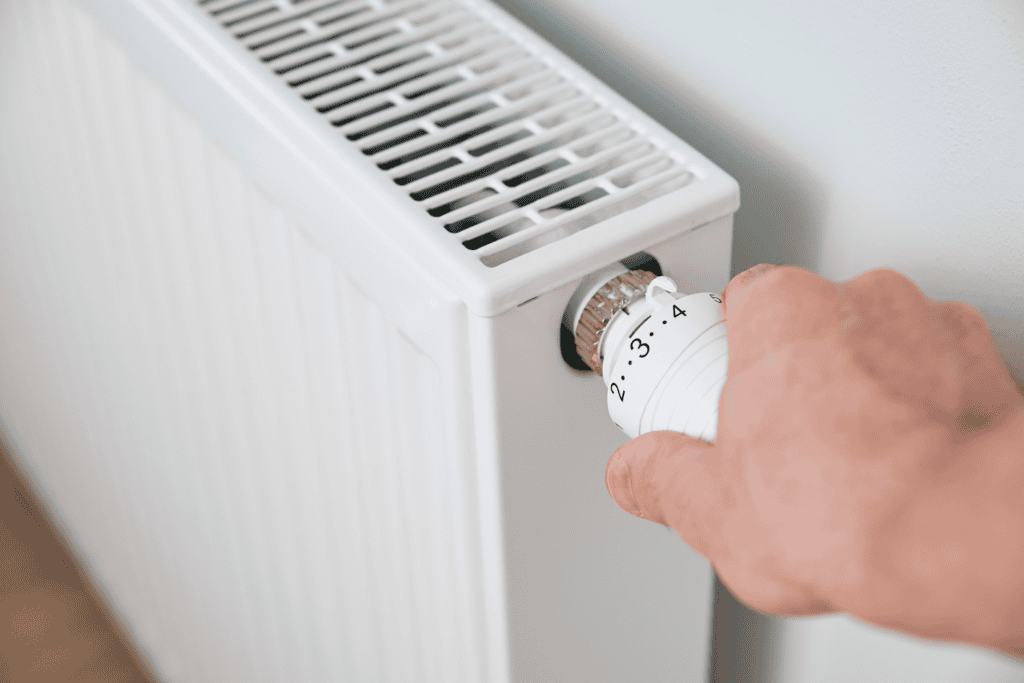
Your heating system should run long enough to warm your home evenly before it shuts down. In typical winter weather, a standard heating cycle lasts between 10 and 15 minutes. If your system fires up, runs for two or three minutes, and turns off early, you have furnace short cycling. This rapid on-and-off cycle places harsh stress on internal parts. It wastes fuel, wears down the ignition system, and leaves your living spaces chilly.
Understanding furnace short cycling helps you protect your heating equipment. You can resolve basic airflow restrictions on your own through routine home maintenance. Other causes involve sensitive safety switches or improper equipment sizing that need professional diagnostics. This guide covers common cycling triggers, equipment standards, and safe troubleshooting steps for homeowners across Evanston, Skokie, and the rest of Chicago’s North Shore.
Identifying Furnace Short Cycling Causes
Heating cycles follow steady operational patterns to keep your home warm. A standard residential gas furnace completes three to five heating cycles per hour in cold weather. When internal safety sensors detect conditions outside safe limits, the system shuts down the burner right away to protect your home.
Restricted Airflow and High-Limit Shutdowns
Restricted airflow is the most common cause of furnace short cycling in winter. A dirty air filter blocks return air from passing across the heat exchanger. Standard residential heating equipment requires steady airflow, generally in the range of 350 to 450 cubic feet per minute (CFM) per ton of equipment capacity, depending on climate and design factors.¹
Without proper airflow, heat builds up fast inside the furnace cabinet. Manufacturers print an allowable temperature-rise range directly on the furnace nameplate, typically a spread of about 30 degrees somewhere between 40°F and 80°F, depending on the model.² If low airflow pushes the temperature rise above that nameplate range, the high-limit switch opens at the threshold the manufacturer built into that specific unit. This shuts off the burners to help prevent the metal heat exchanger from cracking. Once the blower fan cools the internal parts, the limit switch closes, and the cycle repeats.
Dirty or Corroded Flame Sensors
Gas furnaces rely on flame rectification to confirm safe burner ignition. The flame sensor sits directly in the burner flame, creating a microamp direct current through ionized gas. Depending on the manufacturer, the control board typically expects a signal somewhere between 0.5 and 10 microamps (µA DC) from this metal rod.³
Over time, soot and oxidation coat the sensor rod. Once the signal drops below the manufacturer’s minimum threshold, the board cannot confirm an active flame, and it closes the gas valve within seconds. This safety shutdown stops raw fuel from pooling in your combustion chamber. The furnace often tries to reignite several times, causing short, repetitive cycles.
Thermostat Placement and Calibration Issues
Your thermostat measures the temperature of the air around its sensor. When mounted in direct sunlight or right next to supply vents, the sensor reads false warmth. Heat from nearby kitchen appliances, lamps, or electronics can also fool the unit. The thermostat reaches its set temperature before warm air circulates through the rest of the house, causing early shutdowns.
Equipment Sizing and Mechanical Safety Failures
Not all cycling issues come from dusty filters or dirty sensors. Severe cycling can also point to incorrect equipment sizing or venting restrictions.
Oversized Heating Equipment and Manual J Calculations
Your furnace must match the actual heating load of your home. A professional HVAC contractor calculates this load using the ANSI-recognized ACCA Manual J protocol, the industry-standard method for determining how much heating and cooling capacity a home actually needs.⁴ This calculation accounts for square footage, insulation levels, window ratings, and local winter design temperatures, figures that shift block by block between Highland Park, Lake Forest, and other North Shore communities.
Installing a furnace with too much heating capacity leads directly to cycling problems. An oversized system causes furnace short cycling by delivering quick blasts of high heat. The oversized burner warms the thermostat area in four or five minutes. However, the unit shuts off before warm air reaches distant bedrooms. This constant start-and-stop operation strains heat exchangers and blower motors over time.
Flue Vent Restrictions and Pressure Switches
Combustion furnaces must safely vent exhaust gases to the outdoors. High-efficiency condensing units vent through PVC or ABS piping, while standard-efficiency units vent through metal flues. A draft inducer fan pulls exhaust gases through the heat exchanger, creating negative static pressure measured in inches of water column.
A dedicated pressure switch checks this draft before the burners light. If a bird nest or the ice and snow that build up during a typical Lake Michigan winter block the flue pipe, the pressure switch remains open. If venting is restricted during operation, the switch trips and turns off the burners right away. This safety lockout helps stop hazardous carbon monoxide from backing up into your living areas.
Voltage Fluctuations From the Home’s Electrical Supply
Modern heating units depend on microprocessor control boards to manage operation. These circuit boards require a stable 120-volt power supply, which an internal transformer steps down to 24 volts for controls.
When a home’s electrical supply delivers uneven voltage, or when shared branch circuits experience voltage dips from heavy appliances, the control board can reset unexpectedly. These sudden power drops interrupt the heating sequence and produce persistent furnace short cycling. A licensed electrician can evaluate the home’s wiring and panel if voltage issues are suspected.
Troubleshooting Steps to Stop Furnace Short Cycling
You can perform several basic diagnostic checks safely before calling for professional service. Prioritize personal safety at every step whenever you inspect your heating equipment during a routine walkthrough.
Step-by-Step Airflow and Filter Checks
- Switch your thermostat to the OFF position before opening any equipment panels.
- Locate the air filter compartment in the blower cabinet or the return duct rack.
- Slide out the filter and inspect the surface against a bright light source.
- Replace the filter if dust blocks the light, so the airflow arrow points toward the blower cabinet.
- Check all supply vents and return grilles in every room to verify they are open and unblocked by furniture or rugs.
Using a filter with a MERV (Minimum Efficiency Reporting Value) rating that’s too high for an older duct system can also choke airflow. Most residential systems run well with filters rated between MERV 8 and MERV 13, though higher-rated filters restrict airflow more and may not suit every duct system.⁵
Thermostat Settings and Battery Inspection
Review your thermostat display settings carefully. Verify that the system switch is set to HEAT and the fan switch is set to AUTO. Setting the fan switch to ON runs the blower continuously, which can feel like cool air between heating cycles. Replace the batteries once every year, because weak voltage causes internal relays to drop out unexpectedly. Ensure the thermostat body clicks firmly into its wall sub-base.
When to Call a Professional Heating Contractor
If a clean filter and fresh batteries do not solve the problem, shut off the heating power switch and call a professional. Opening sealed burner compartments or bypassing safety switches creates severe safety hazards. A qualified technician uses digital manometers to test static pressure, multimeters to measure flame rectification, and combustion analyzers to inspect heat exchanger safety.
Addressing Furnace Short Cycling: Repair Versus Replacement
Recurring furnace short cycling often requires you to decide between repairing your current equipment and investing in a new system. An objective review of equipment age, component condition, and heating efficiency helps you choose the right path.
Equipment Age and System Reliability
The age of your heating system plays a major role in this decision. Natural gas furnaces typically offer a dependable service life of 15 to 20 years with regular maintenance.⁶ When your furnace is under 10 years old, repairs are almost always the most sensible choice. Cleaning a dirty flame sensor, replacing a faulty limit switch, or installing a new pressure switch returns the system to dependable operation.
If your furnace is older than 15 years, evaluate the overall condition of the unit. Heating units nearing the end of their design life often suffer cascading part failures after a major shutdown. When an older unit develops recurring electrical faults or motor failures alongside cycling problems, replacement can provide greater peace of mind.
Component Severity and Heat Exchanger Integrity
The specific part causing the short cycle determines whether a repair makes practical sense. If chronic airflow restrictions caused the high-limit switch to trip repeatedly, the metal heat exchanger can develop hairline cracks over time. A cracked heat exchanger allows combustion flue gases to escape into your household air streams. Because replacing a heat exchanger requires extensive labor, an older furnace with a damaged heat exchanger usually calls for unit replacement. In contrast, blower capacitors, electrical relays, and electronic control boards represent simpler, more cost-effective repairs.
Efficiency Gains From Modern Systems
Replacing an aging furnace also delivers substantial improvements in annual fuel utilization efficiency (AFUE), the standard measure of how much fuel a furnace converts into usable heat over a year. Older heating systems can operate as low as 56% AFUE, and federal standards now require new furnaces to meet at least 80% AFUE.⁷ Modern high-efficiency condensing furnaces reach 90% to 98.5% AFUE. If your system requires frequent service calls and suffers from chronic furnace short cycling, upgrading can provide more consistent comfort and quieter winter operation.
Professional Heating Support in Greater Chicagoland
If furnace short cycling leaves your living areas unevenly heated, addressing the problem promptly helps preserve your equipment and maintain indoor safety. Proper airflow, accurate thermostat placement, and regular maintenance keep your system running reliably through freezing winter temperatures.
Homeowners throughout Evanston, Wilmette, Glenview, and the rest of Chicago’s North Shore and Greater Chicagoland area have turned to AA Service Co. for heating diagnostics since 1967. Our licensed professionals provide upfront pricing, clear evaluations, and thorough equipment walkthrough services. If you need a simple safety switch replacement or a comprehensive heating system assessment, our team is ready to help keep your home warm all winter long.
Sources
- ACCA. 400 CFM per ton (or is it?). ACCA HVAC Blog. Accessed September 16, 2026. https://hvac-blog.acca.org/400-cfm-per-ton-or-is-it/
- HVAC School. Furnace air temperature rise. HVACR School. Accessed September 16, 2026. https://www.hvacrschool.com/furnace-air-temperature-rise/
- HVAC Know It All. Flame rectification explained. HVAC Know It All. Accessed September 16, 2026. https://hvacknowitall.com/blog/that-flame-is-not-being-honest
- ACCA. Manual J residential load calculation. Air Conditioning Contractors of America. Accessed September 16, 2026. https://www.acca.org/standards/technical-manuals/manual-j
- Bob Vila. Which MERV rating is right for your home’s air filters? Accessed September 16, 2026. https://www.bobvila.com/articles/merv-ratings/
- Forbes Home. How long does a furnace last? Accessed September 16, 2026. https://www.forbes.com/home-improvement/hvac/how-long-does-a-furnace-last/
- Federal Register. Energy Conservation Program: Energy Conservation Standards for Consumer Furnaces. Published December 18, 2023. Accessed September 16, 2026. https://www.federalregister.gov/documents/2023/12/18/2023-25514/energy-conservation-program-energy-conservation-standards-for-consumer-furnaces